

Greenhouses have increased in popularity, with increased individuals turning towards house garden for sustainable living and food security. It's not only about growing plants—it's about fostering a sustainable lifestyle and occasionally actually reducing grocery costs! Nevertheless, with so many greenhouse kits for sale solutions, picking the right choice can be overwhelming. This information reduces how to find the great greenhouse products to suit your farming requirements and environment conditions.
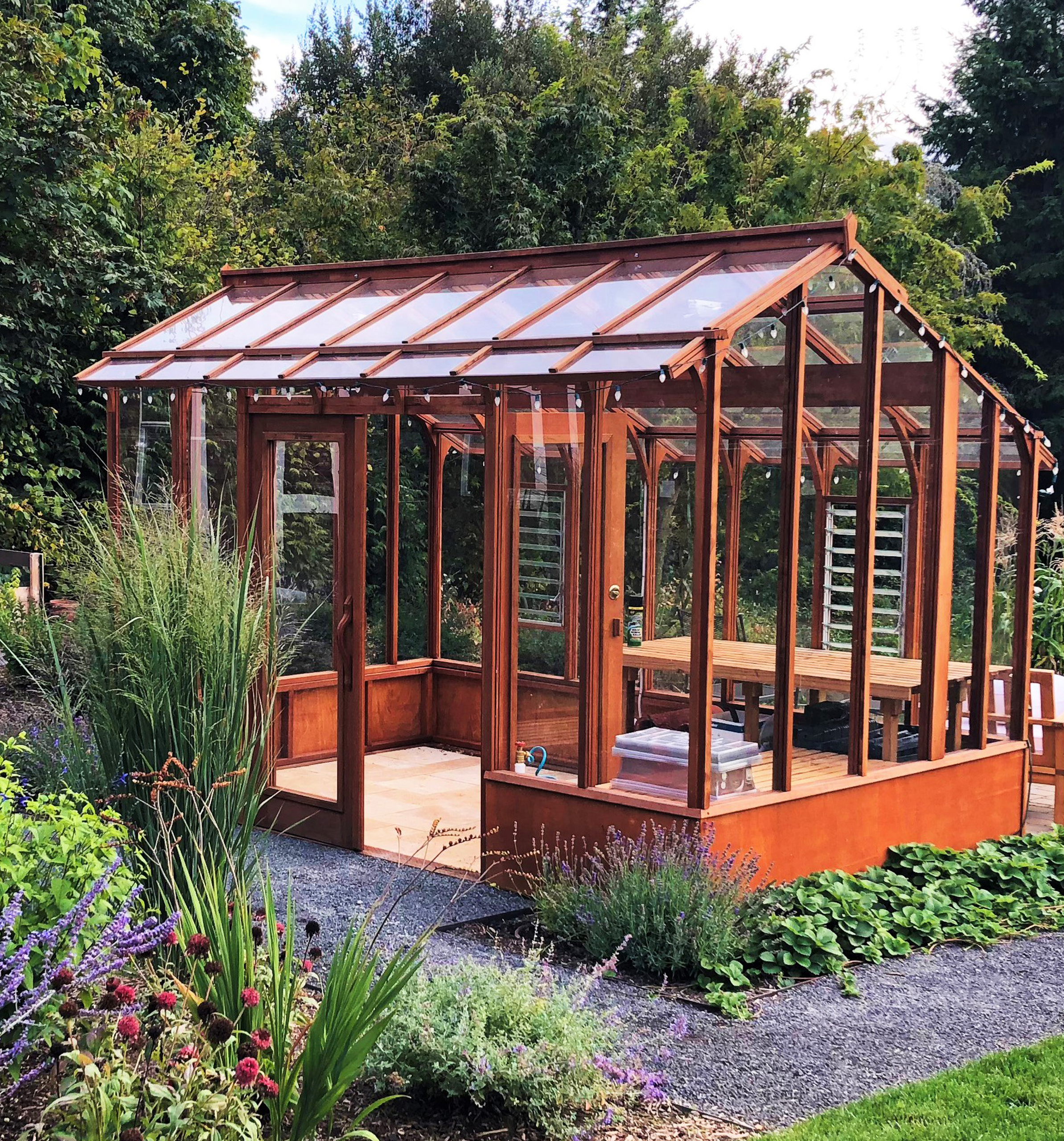
Why Greenhouse Farming is on the Increase
A report from Grand View Study outlined a global rise in greenhouse farming, forecasting a industry value of over $45 thousand by 2026. Facets such as for example climate change, shrinking farmlands, and the pandemic-induced farming increase are encouraging persons to grow their crops year-round.
If you've determined to create your greenhouse haven, knowledge the various greenhouse products accessible is the first step.
Critical Factors to Contemplate Before Investing in a Greenhouse Kit
1. Weather and Temperature Situations
Your local environment will significantly impact the type of greenhouse you choose. For example:
Cool Areas require insulated resources like polycarbonate systems to trap heat.
Warm Climates take advantage of vented styles to prevent overheating.
Places prone to major snowfall or strong winds need stronger structures like galvanized steel.
2. Size and Room Accessible
Greenhouse products vary from compact measurements (ideal for patios or downtown spaces) to bigger walk-in versions suitable for intensive gardening. In accordance with a study by the National Gardening Association, 35% of first-time gardeners underestimated the space they'd need.
It's advisable to start with a somewhat larger framework than you think you will need, as your farming ambitions might grow.
3. Figure Material
The frame may be the backbone of your greenhouse, and the substance matters. The most frequent choices contain:
Metal for the light, rust-resistant properties.
Steel for durability but is heavier and may possibly decay as time passes without correct coating.
PVC for affordability, nevertheless it might lack long-term sturdiness.
4. Covering Material
The materials you use for your greenhouse walls can make or break development conditions. Some common covers are:
Glass for maximum light transmission but at an increased cost.

Polycarbonate Panels, noted for their toughness and heat retention.
Polyethylene Film for budget-conscious gardeners looking for fundamental functionality.
5. Characteristics and Accessories
A fruitful greenhouse is greater than a blank structure. Search for packages offering other functions such as automated ventilation programs, UV-treated addresses, and integral shelving.